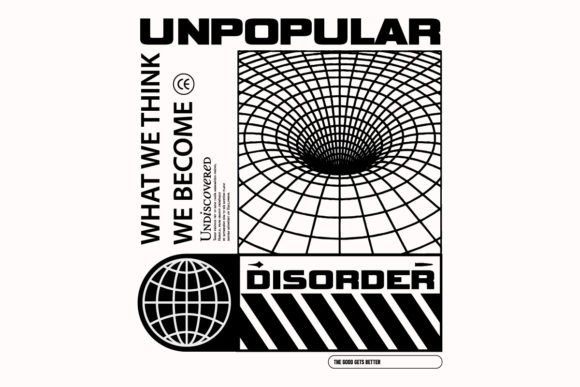
Modern Graphic Tee Design: A Complete Streetwear Collection
Finding the right assets for a clothing line can be the difference between a brand that fades into the background and one that defines the culture. When we talk about a Modern Graphic Tee Design, we are referring to more than just an image placed on cotton; we are talking about a specific aesthetic movement. These designs draw heavily from urban influences, blending intricate illustration with bold, often gritty typography to create a visual language that resonates with the streetwear audience. If you are a designer, entrepreneur, or content creator looking to launch a merchandise line, understanding the structure of these assets is crucial. The collection we are examining today represents the intersection of digital art and physical fashion, offering a toolkit that is as versatile as it is stylish.
The Anatomy of Urban Streetwear Aesthetics
To truly leverage a Modern Graphic Tee Design, you have to understand its visual personality. Unlike standard corporate branding, streetwear graphics often thrive on controlled chaos. You might see a serif font that looks like it has been weathered by the elements paired with a handwritten font that mimics a quick tag on a subway wall. The appeal lies in the texture and the attitude. These designs are rarely clean or sterile; they are tactile. They evoke a feeling of authenticity that is vital for brand identity in the fashion space.
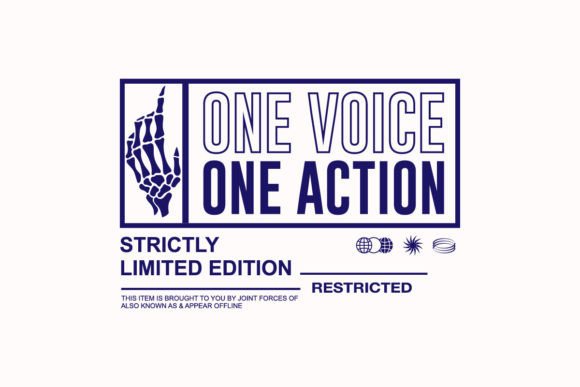
The specific characteristics of high-quality streetwear assets include distressed textures, complex layering, and bold iconography. When you open a vector file for a design like this, you are looking at the building blocks of a visual identity. For example, a design might feature a central skull motif surrounded by botanical elements, all framed by a bold display font. The "personality" here is rebellious yet sophisticated. It appeals to the 20–50 demographic because it feels curated rather than mass-produced. It signals that the wearer—and the brand creator—values modern typography and artistic depth.
Why Vector Formats Matter for Custom Clothing
One of the most practical aspects of professional design assets is the file format. You will often receive files in EPS format, which stands for Encapsulated PostScript. Why does this matter to you, the creator? Because vectors are math, not pixels. A JPG or PNG image is made of tiny squares of color; if you scale it up to fit the back of a hoodie, it becomes blurry or pixelated. A vector file, however, can be scaled from the size of a postage stamp to the side of a billboard without losing a single ounce of quality.
This scalability is essential for merchandise production. When you are working with screen printers or sublimation services, they require crisp, clean lines. A Modern Graphic Tee Design provided in vector format allows you to manipulate the typeface, change colors to match your seasonal palette, and adjust elements to fit different garment sizes. It gives you the freedom to create a cohesive brand identity across various products—t-shirts, hoodies, tote bags, and hats—without having to redesign from scratch for every item.
Strategic Application in Branding and Marketing
While the primary use case is apparel, the utility of a strong Modern Graphic Tee Design extends into broader marketing channels. As a marketer or content creator, you need visual consistency. The same graphic that works on a t-shirt can be adapted for social media graphics, website headers, or email newsletter banners. The bold nature of streetwear art is designed to stop the scroll. It grabs attention immediately, which is a valuable commodity in digital marketing.
Consider the impact on visual hierarchy. If you are designing a poster for an event or a flyer for a product drop, using a heavy, impactful graphic establishes the focal point immediately. The weight of the design commands attention, allowing you to use lighter sans serif fonts for the necessary details like dates, times, and locations. This contrast between the complex graphic and clean information text ensures readability while maintaining the edgy vibe of the brand.
Practical Guide to Customization and Editing
Editing these files requires a vector graphics software like Adobe Illustrator, Affinity Designer, or even free alternatives like Inkscape. When you open the file, you will see that the design is composed of "paths" and "nodes." This is where the magic happens for custom printed clothing.
Let’s say you have purchased a design that features a specific script font spelling out "Dreamer." However, your brand is called "Hustler." Because the file is a vector, you can delete the text layer entirely and type in your own word using the same font style, or even swap it out for a modern typography choice that better suits your voice. You can recolor the entire piece to match your brand's hex codes with a few clicks. This level of customization is impossible with rasterized images. It allows you to take a pre-made asset and make it entirely your own, ensuring your merchandise feels unique to your store.
Choosing the Right Design for Your Audience
Not every Modern Graphic Tee Design fits every brand. You have to evaluate the "fit" based on your target audience. If your demographic leans more towards the skater subculture, look for designs that feature hand-drawn elements, rough edges, and a creative font that looks like it was written with a marker. If your audience is more into high-fashion streetwear, look for designs that utilize clean geometric shapes, metallic textures, and sophisticated serif font combinations.
Readability is also a key consideration. A t-shirt is a walking billboard, but it is a moving one. People will be reading your design from a distance or while the wearer is in motion. Avoid display fonts that are overly ornate or scripts that are too thin if the text is the primary message. The best streetwear designs balance the artwork with legible text. When testing your design, print it out on a standard piece of paper and tape it to a wall. Step back ten feet. Can you read the main word? If not, you may need to simplify the font pairing or increase the weight of the stroke.
Leveraging Assets for Digital and Print Projects
The versatility of these assets extends beyond fabric. For bloggers and publishers, these graphics can serve as hero images for articles about fashion, music, or urban culture. For small business owners, they can be adapted into packaging design. Imagine a streetwear brand that ships their products in mailer boxes printed with the same Modern Graphic Tee Design used on their shirts. It creates an unboxing experience that reinforces the brand identity and feels premium.
When you download a ZIP file containing these resources, organization is key. Extract the files and separate them into folders: "Source Vectors," "High-Res JPGs," and "Social Media Previews." This workflow saves time when you are rushing to meet a production deadline. Furthermore, always check the licensing. Most premium assets allow for commercial use, meaning you can sell the physical merchandise you create with them, but they usually restrict you from reselling the digital file itself. Understanding this distinction protects your business legally.
Ultimately, investing in high-quality vector graphics is an investment in your brand's future. It elevates your products from generic prints to professional, curated collections. By mastering the use of a Modern Graphic Tee Design and understanding how to manipulate vector sources, you position your brand to compete in the crowded marketplace of fashion and merchandise. It’s not just about the art; it’s about the strategy behind the art.