Graphic T Shirt Design: A Complete Creative Toolkit
Understanding the Visual Style and Appeal
When you open the ZIP folder for this Graphic T Shirt Design, you’re not just getting a single image—you’re getting a complete creative ecosystem. The core of this package is a high-resolution PNG file, sized at 4500×5400 pixels with a transparent background, which is particularly well-suited for watercolor effects and complex prints. Alongside it, you receive a JPG for quick previews, a PSD file for Adobe Photoshop edits, a PDF for print-ready proofs, and an AI file for vector-based adjustments. This multi-format approach ensures you can adapt the design for virtually any production method, from digital mockups to physical merchandise.
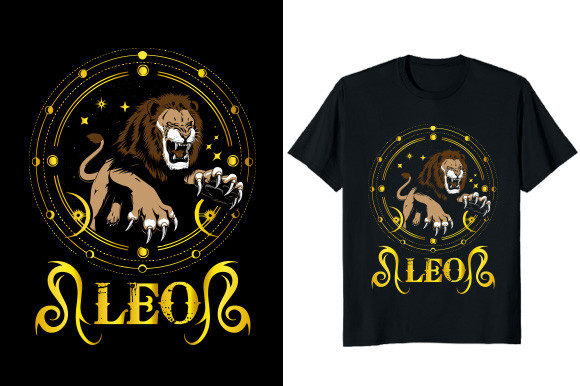
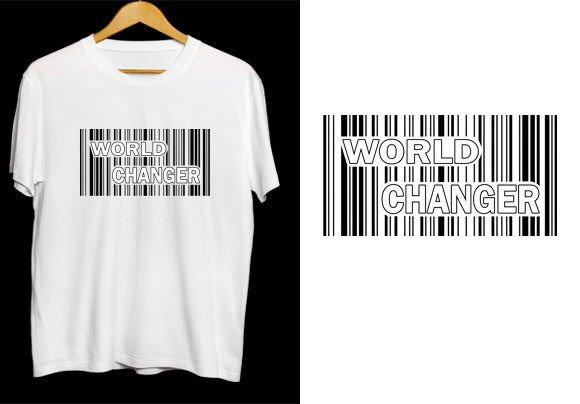
The design itself carries a versatile personality. It’s built to be a workhorse asset—something that can anchor a product line or serve as a key element in a larger campaign. The visual style leans toward clarity and impact, with strong lines and a balanced composition that translates well across different sizes and materials. Whether you’re looking at it on a screen or printed on fabric, the design maintains its integrity, which is crucial for brand consistency and professional output.
Where This Design Shines: Practical Applications
One of the strongest aspects of this Graphic T Shirt Design is its adaptability. Let’s break down some real-world uses where this asset can save you time and elevate your projects.
- T-Shirts and Apparel: This is the obvious starting point. The high-resolution PNG is ideal for direct-to-garment printing, screen printing, or heat transfers. Because the background is transparent, you can easily layer it onto any color fabric without worrying about awkward white boxes or mismatched edges.
- Mugs, Pillows, and Home Goods: Print-on-demand services like Printful or Redbubble often require specific file types and dimensions. Having both PNG and PDF formats means you can upload directly without constant resizing. The design’s clarity ensures it looks sharp on curved surfaces like mugs or textured ones like pillows.
- Stickers and Decals: The vector AI file is perfect for die-cut stickers. You can scale it without losing quality, which is essential for small decals or large window graphics.
- Bags and Totes: Canvas tote bags are a popular merchandise item. The design’s balanced composition works well as a central graphic, and the file formats allow for easy color adjustments to match different bag materials.
- Sublimation and Fabric Printing: For all-over prints or pattern-based designs, the high DPI (300) ensures smooth gradients and crisp edges, even when tiled or repeated across large surfaces.
Beyond physical products, this design is also useful for digital projects. Think social media graphics, website banners, or email headers. The PSD file lets you tweak colors, add text overlays, or integrate the design into larger compositions in Photoshop. For content creators, this means you can maintain a cohesive visual identity across both your merchandise and your online presence.
How to Integrate This Design into Your Workflow
If you’re a designer or entrepreneur, efficiency matters. Here’s how to make the most of this package without overcomplicating your process.
Choosing the Right File for the Job
Start by considering your end use. For printing on fabric or physical products, the PNG is your best bet—it’s optimized for color accuracy and transparency. For digital work where you need to edit layers or adjust vector paths, open the PSD or AI file. The JPG is useful for quick client approvals or social media previews, but avoid using it for final production due to compression artifacts.
Testing and Customization
Before committing to a large print run, always test the design on a sample. Print a small version on paper or fabric to check for color bleeding or scaling issues. Use the PSD file to experiment with color variations—maybe you want a monochrome version for a minimalist line, or a vibrant palette for a summer collection. The AI file allows for precise adjustments to individual elements, which is helpful if you need to simplify the design for embroidery or engraving.
Pairing with Typography and Brand Elements
A strong design often works best when paired with complementary typography. If you’re using this graphic for a brand identity or logo design, consider pairing it with a clean sans-serif font for modern appeal, or a handwritten script for a more personal touch. The key is to maintain visual hierarchy—the graphic should be the focal point, with text supporting rather than competing. Test different font pairings in your design software to see what feels balanced.
Why File Quality and Format Matter
You might wonder why this package includes so many formats. Each serves a specific purpose in professional design and production workflows.
The 300 DPI PNG is essential for print. It ensures your design looks sharp and detailed, even when enlarged. The transparent background eliminates the need for manual clipping, saving hours in post-production. The PSD file preserves layers, so you can edit individual components without starting from scratch. The AI file is vector-based, meaning it can be scaled infinitely—perfect for large-format printing like banners or signage. The PDF is a universal format for sharing proofs with clients or print shops, ensuring everyone sees the same colors and layout.
This attention to file preparation reflects a deeper understanding of design assets. Too often, creators download a single JPG and run into limitations when they try to repurpose it. By providing multiple formats, this package anticipates real-world challenges and gives you the flexibility to pivot between projects without friction.
Final Thoughts on Versatility and Value
In the end, a great Graphic T Shirt Design isn’t just about looking good—it’s about working well across different contexts. This package is built for practicality. It respects the realities of modern design, where assets need to live on websites, social media, printed merchandise, and everything in between. The inclusion of editable source files (PSD and AI) shows a commitment to long-term usability, allowing you to adapt the design as trends evolve or as your brand identity shifts.
For small business owners, this means you can create a cohesive product line without hiring a designer for every new item. For content creators, it offers a way to extend your visual language into tangible products. For hobbyists and crafters, it provides a professional-grade starting point for personal projects. The design’s clarity and adaptability make it a reliable tool in your creative toolkit—one that can grow with you as your needs change.
So, whether you’re printing your first batch of t-shirts, designing a new logo, or building out a full merchandise collection, having a versatile, high-quality design asset like this can streamline your process and elevate your output. It’s not just a graphic—it’s a foundation for countless creative possibilities.